Why Most Toronto Popcorn Ceilings Need to Come Down
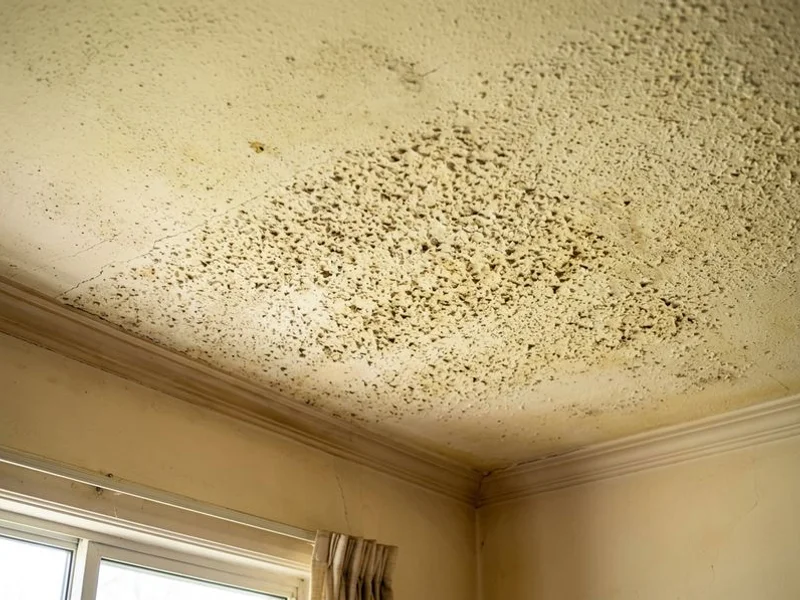
Popcorn (or “stipple”) ceilings were standard in Toronto-area home construction from the late 1950s through the late 1980s. They were quick to apply, cheap to install, and forgiving of imperfect drywall work underneath. The problem: many of them contain asbestos fibers, and even the ones that don’t trap dust, dim a room, and read as instantly dated.
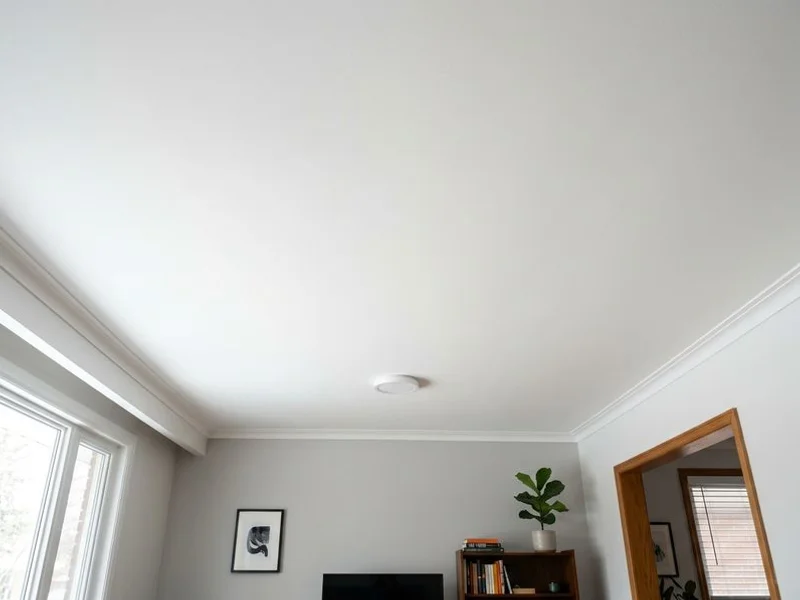
A modern smooth Level 4 ceiling reflects natural light better, looks taller, and adds noticeable resale value to GTA homes. The trick is getting the popcorn off without filling the home with plaster dust or, for pre-1980 homes, disturbing asbestos.
Common Popcorn Ceiling Removal Costs in Toronto (2026)
- Popcorn ceiling removal (per square foot, non-asbestos): $2 to $10
- Typical 12 by 12 foot bedroom: $144 to $432
- Multiple-room removal: $700 to $1,000 and up
- Asbestos testing per sample: $250 to $850 with 24 to 48 hour lab turnaround
- Licensed asbestos abatement (if positive): $8 to $15 per square foot
- Smooth Level 4 finish after removal: Included in standard scope
- Knockdown texture alternative finish: 10 to 20 percent discount versus smooth
Most whole-house removals (living room, kitchen, hallway, three bedrooms) run 5 to 7 working days and land between $2,500 and $5,500 all-in.
The Pre-1980 Asbestos Question
If your Toronto home was built before 1980, the popcorn ceiling material almost certainly needs to be tested for asbestos before any scraping starts. This isn’t optional. It’s an Ontario worker-safety requirement and a homeowner-health one.
Testing is straightforward: we collect a small sample, send it to a licensed Ontario lab, and get a result back in 24 to 48 hours. Cost is typically $80 to $150 per sample. If the result is negative, we proceed with our standard dustless wet-scrape process. If the result is positive, we have two safe paths:
-
Route to a licensed abatement partner. Asbestos-containing material must legally be removed by an abatement-certified crew using full containment. We coordinate the handoff.
-
Encapsulate over the existing ceiling. Sometimes the safer (and cheaper) option is to cover the ceiling rather than remove it. New drywall is installed directly below the popcorn, encapsulating it in place. We’ll walk you through both options honestly.
How the Dustless Wet-Scrape Process Actually Works
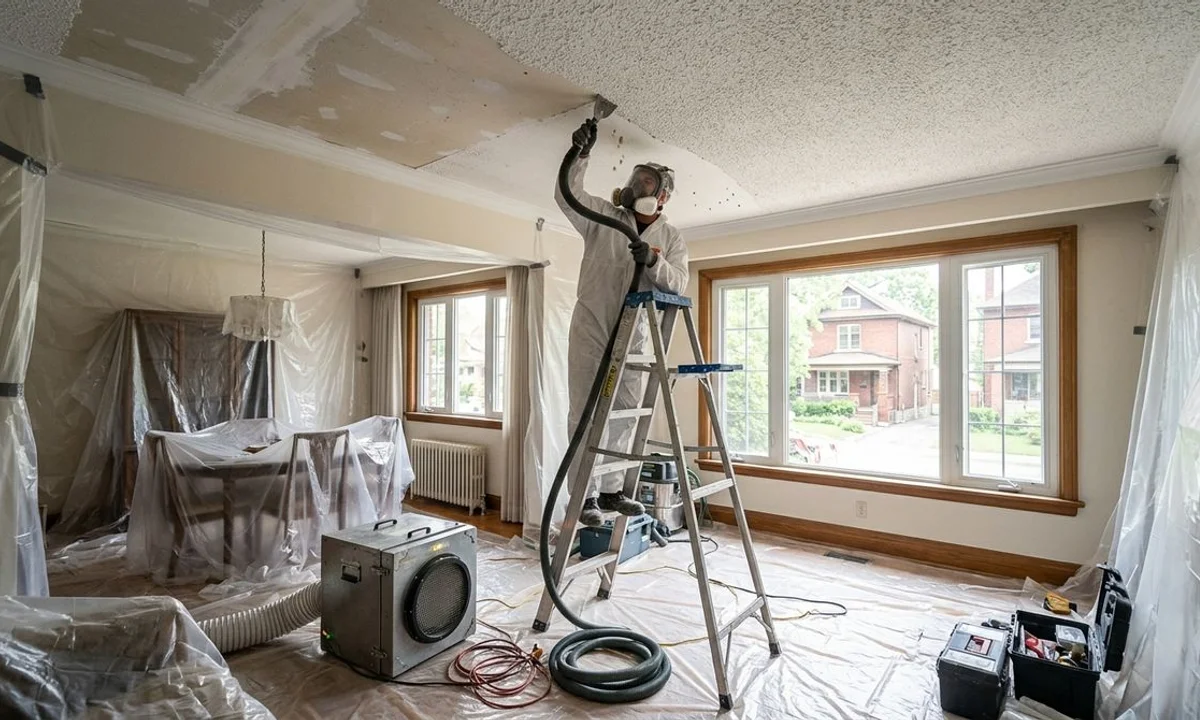
Most homeowners hear “popcorn removal” and picture a week of plaster dust everywhere. That’s the dry-scrape method, and we don’t use it. Our dustless wet-scrape protocol works like this:
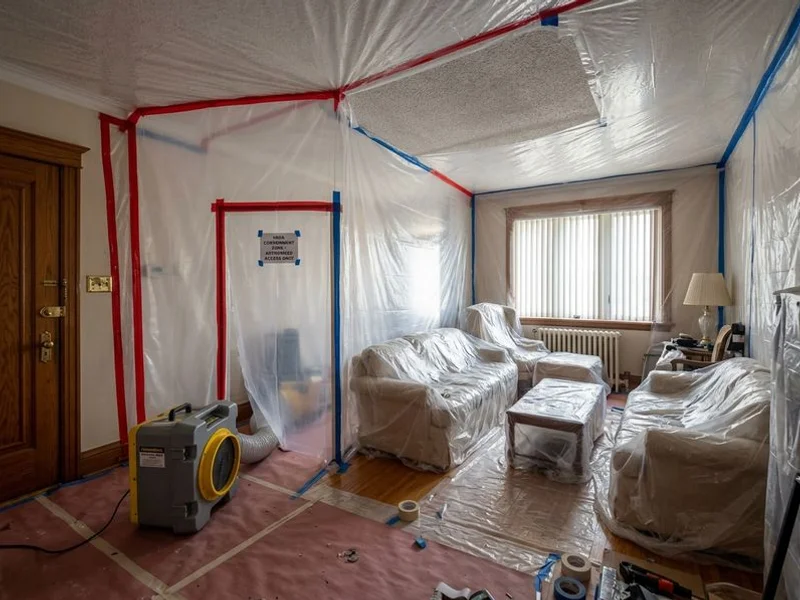
1. Containment. Plastic sheeting goes up around the work area, doorways are sealed, floors are covered. Your furniture either stays in place (covered) or moves to an adjacent room.
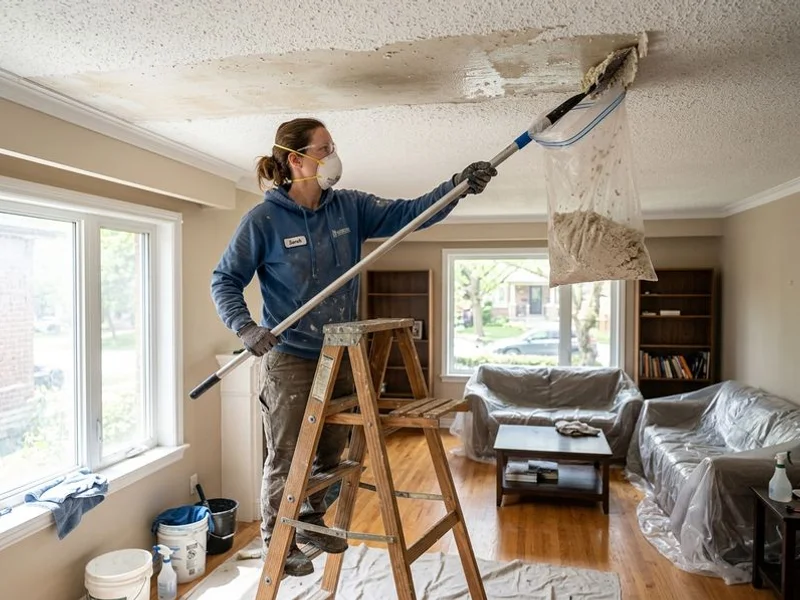
2. Light water spray. A controlled mist softens the popcorn texture so it scrapes off in damp clumps rather than fine airborne dust.
3. HEPA air-scrubber running. A medical-grade HEPA filter circulates room air during the entire scrape, capturing 99.97% of any particles that do go airborne.
4. Scrape directly into contained bin. Damp ceiling material goes straight into a sealed bin rather than falling to the floor.
5. Smooth finish. Once the popcorn is off and the ceiling is dry, we skim-coat the entire surface with joint compound, sand dustless, and inspect under raking light. Most Toronto homeowners go straight to a Level 4 paint-ready smooth ceiling; some prefer a knockdown texture as a halfway option.
6. Cleanup. Containment comes down, HEPA-vacuumed floors, work area handed back ready for primer.
You can stay in the home during the work. The rest of the house stays clean.
Knockdown Texture as an Alternative
Not every homeowner wants a fully smooth ceiling. Knockdown texture (a subtle splattered-and-flattened pattern) is a popular halfway option. It hides minor ceiling imperfections, reads as more modern than popcorn, and costs less than a Level 4 smooth finish. We do both.
Where We Remove Popcorn Ceilings
Across the Greater Toronto Area. Pre-1980 Toronto stock is especially concentrated in Etobicoke (Markland Wood, Mimico), Scarborough (Birchcliff, Bendale), North York (Don Mills, Bayview Village), and Old Toronto neighborhoods. We work across all primary GTA cities with same-week scheduling.
What Is Popcorn Ceiling Removal?
Popcorn ceiling removal is the process of stripping the spray-applied acoustic texture (often called cottage cheese or acoustic ceiling) from a residential or commercial ceiling, then skim-coating and finishing the surface to a smooth paint-ready Level 4. Popcorn texture was widely applied on Toronto homes built between 1950 and 1990 as a low-cost way to hide imperfect ceilings and reduce echo. Many Toronto homeowners remove it to modernize interiors, prepare for sale, or eliminate texture that has yellowed or become difficult to repaint. Pre-1980 ceilings are tested for asbestos before work begins, as chrysotile asbestos was a common additive in spray texture compounds applied before federal bans took effect.
What Does Popcorn Ceiling Removal Include?
- Asbestos testing on all pre-1980 ceilings before any scraping begins
- Full plastic containment of the room including floors, walls, and HVAC vents
- Wet scraping: water application to the texture to soften and reduce airborne dust before removal
- HEPA-filtered vacuum connected to scraping tools to capture particles during removal
- Skim coat application: two to three coats of all-purpose compound feathered smooth
- Level 4 sanding and raked-light inspection before handover
How Much Does Popcorn Ceiling Removal Cost in Toronto?
Popcorn ceiling removal in Toronto runs $2.00 to $4.50 per square foot for standard asbestos-free ceilings, including scraping, skim coat, and Level 4 finish. A single room (150 to 300 sq ft) runs $350 to $1,200. An open-plan main floor runs $1,500 to $4,500. Asbestos abatement (if required) is a separate scope handled by a licensed abatement contractor before we begin. Free on-site assessment with asbestos testing coordination.
Who Needs Popcorn Ceiling Removal?
Homeowners with pre-1980 popcorn ceilings who want a smooth, modern finish before selling or renovating. Sellers whose listing agent has flagged the ceilings as a buyer objection. Anyone who has already had the ceiling tested negative for asbestos and wants the texture gone. Property owners converting a dated basement rec room into a finished living space.